
Timeflow
Date:
August,2023
type:
AR experience design /UX design
Duration:
5 Weeks
Project Overview
Project Overview
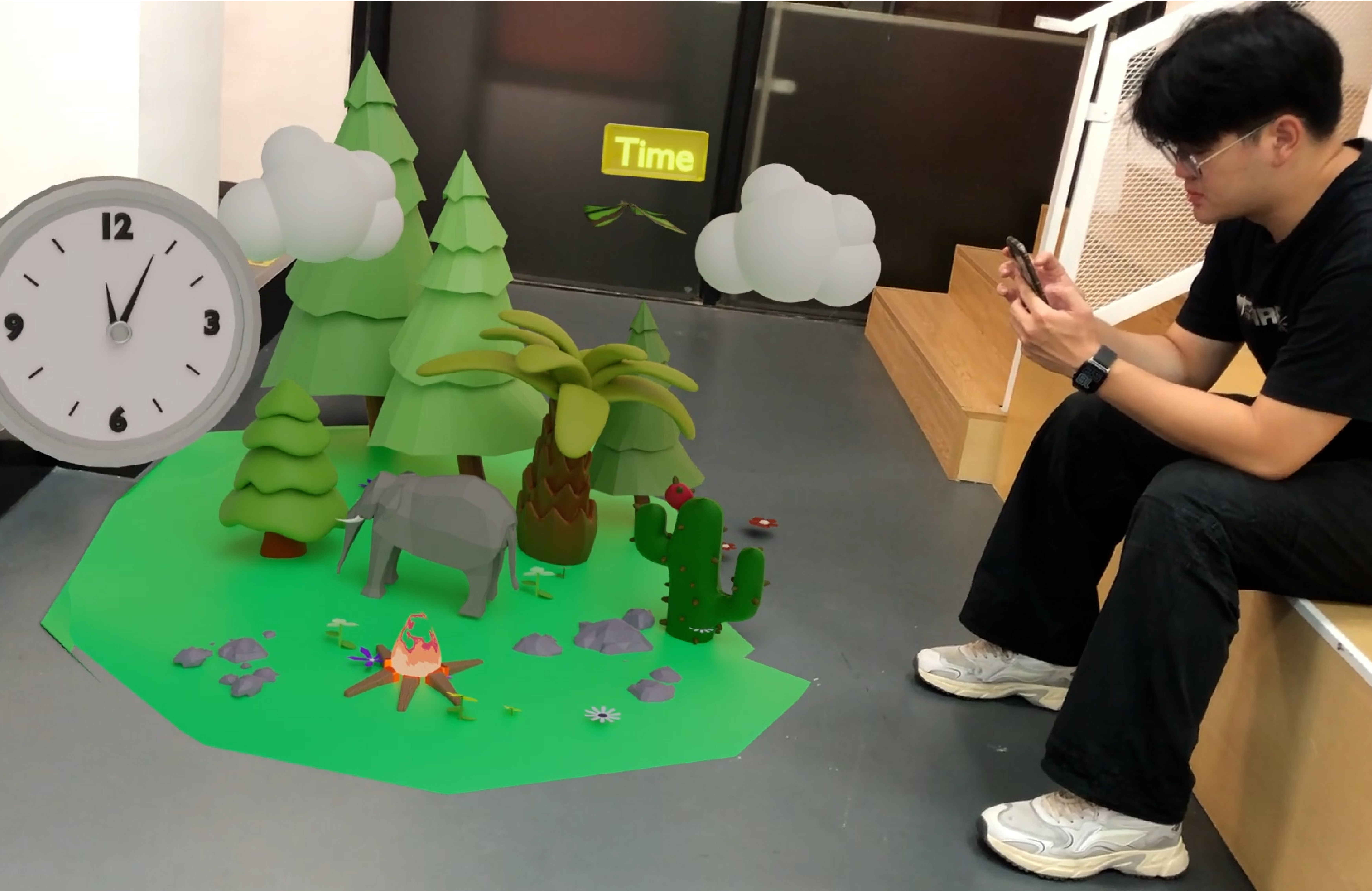
TimeFlow is an augmented reality experience that helps people visualize the passage of time through the growth of a virtual plant. It is designed to address the feeling of time compression in fast-paced daily life, encouraging users to slow down and reconnect with the present moment.
TimeFlow is an augmented reality experience that helps people visualize the passage of time through the growth of a virtual plant. It is designed to address the feeling of time compression in fast-paced daily life, encouraging users to slow down and reconnect with the present moment.
Problem
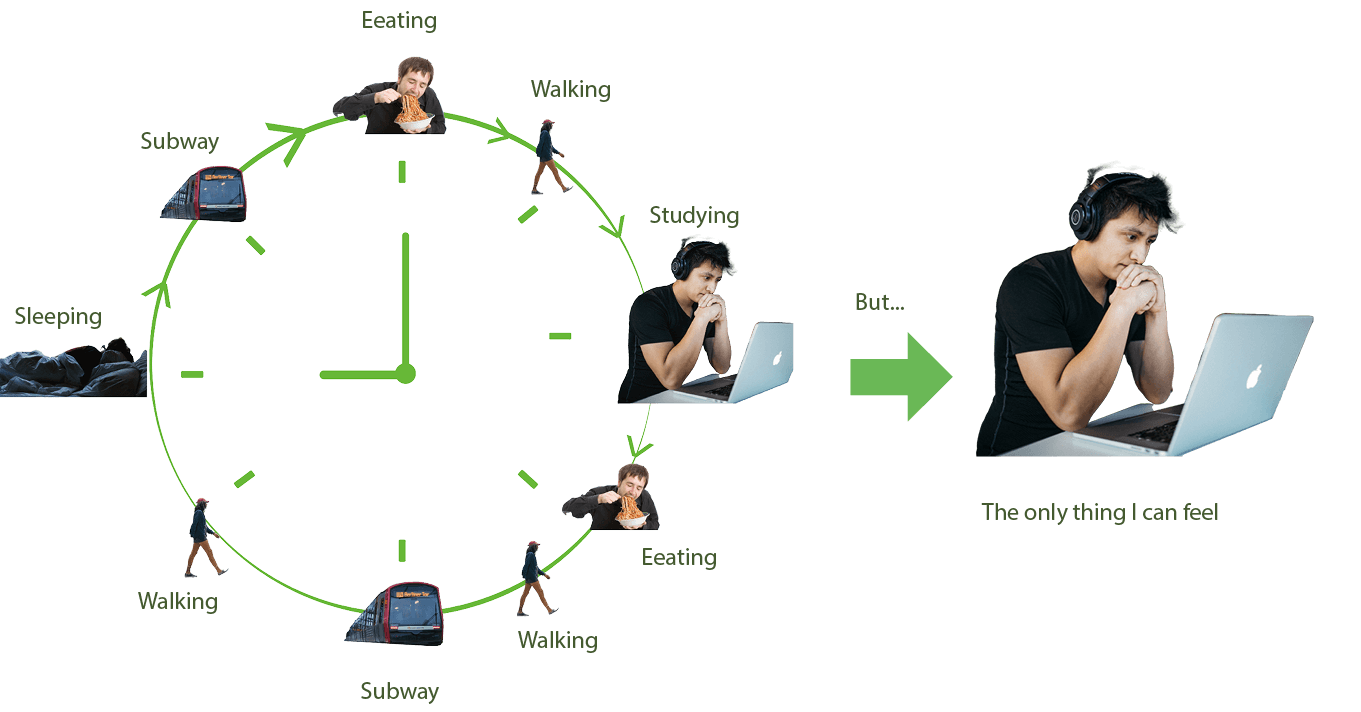
In fast-paced daily life, time often feels compressed. When days become repetitive and overloaded, people remember less, feel more stressed, and lose a sense of where their time went.
In fast-paced daily life, time often feels compressed. When days become repetitive and overloaded, people remember less, feel more stressed, and lose a sense of where their time went.
How might I help people slow down and become more aware of time passing in everyday life?
How might I help people slow down and become more aware of time passing in everyday life?

Personal motivation / insight
This project started from my own frustration: many things happen in a single day, yet I often remember only one of them. The rest of the time feels like it disappears. That feeling made me question how design might make time feel more visible and tangible.
This project started from my own frustration: many things happen in a single day, yet I often remember only one of them. The rest of the time feels like it disappears. That feeling made me question how design might make time feel more visible and tangible.
Research / concept trigger
Insight 1 - Time Pressure
Time pressure makes people feel that time passes faster because there is always too much to do and too little time.
Time pressure makes people feel that time passes faster because there is always too much to do and too little time.
Insight 2 - Stress
Stress reduces presence. When people are focused only on getting through the day, they form fewer detailed memories, making time feel compressed.
Stress reduces presence. When people are focused only on getting through the day, they form fewer detailed memories, making time feel compressed.
Insight 3 - Monotony
Monotony also speeds up perceived time because repeated routines demand less attention and produce fewer memorable moments.
Monotony also speeds up perceived time because repeated routines demand less attention and produce fewer memorable moments.

Design concept
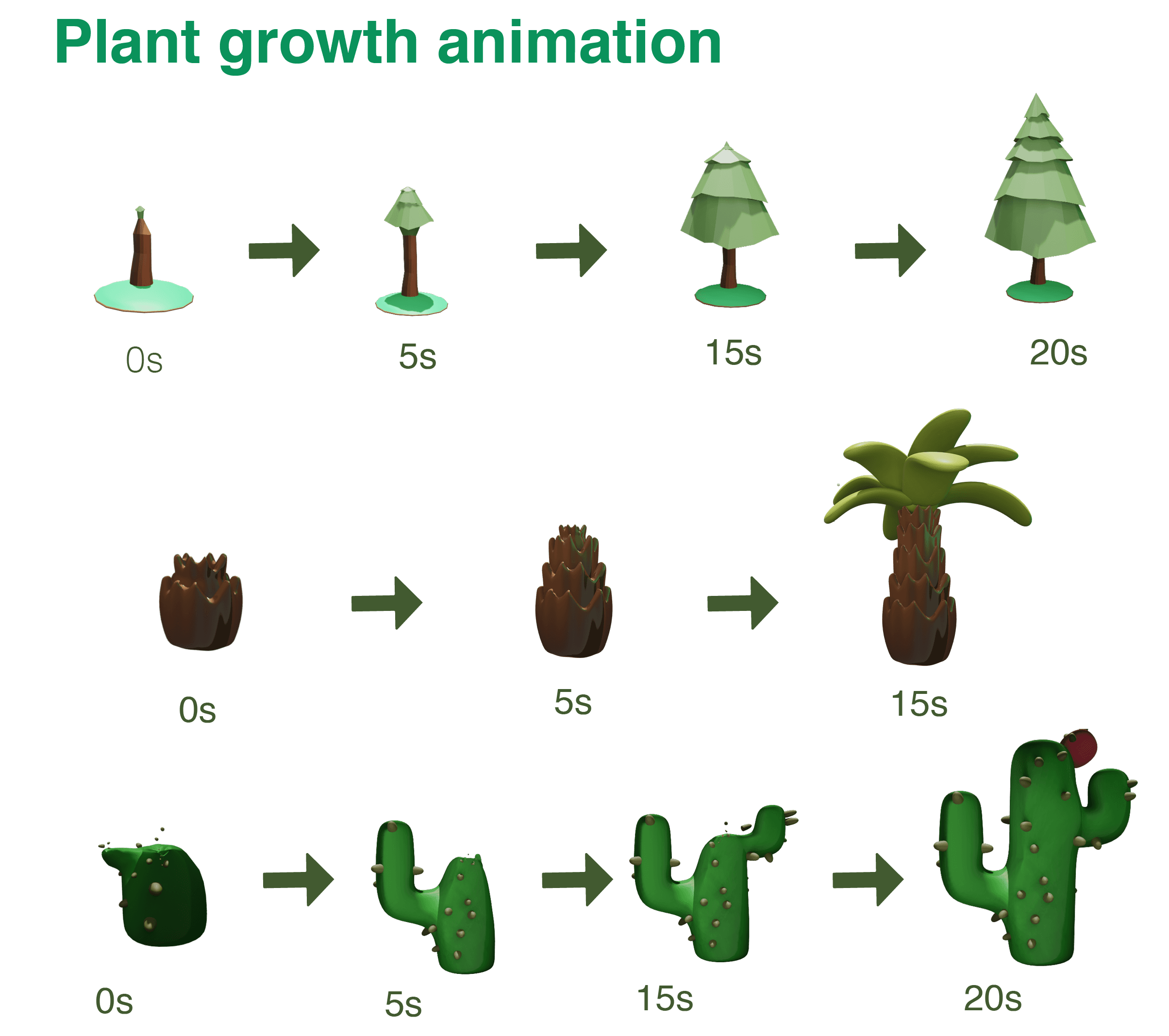
I translated this problem into an AR experience where time is represented by the gradual growth of a virtual plant. By making time visible as a living form, the experience encourages users to pause, observe, and reconnect with the present moment.
I translated this problem into an AR experience where time is represented by the gradual growth of a virtual plant. By making time visible as a living form, the experience encourages users to pause, observe, and reconnect with the present moment.
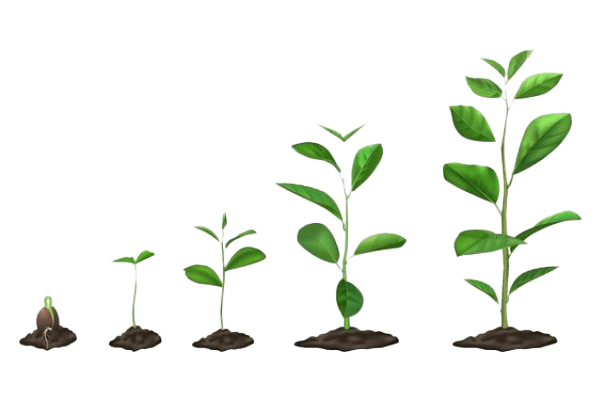
Instead of showing time as numbers or schedules, TimeFlow turns time into an organic, evolving experience.
Why AR
AR allowed me to place the experience directly into everyday space. Rather than separating reflection into a different app screen, TimeFlow overlays a growing virtual plant into the user’s real environment, making the passage of time feel present and embodied.
AR allowed me to place the experience directly into everyday space. Rather than separating reflection into a different app screen, TimeFlow overlays a growing virtual plant into the user’s real environment, making the passage of time feel present and embodied.
User flow
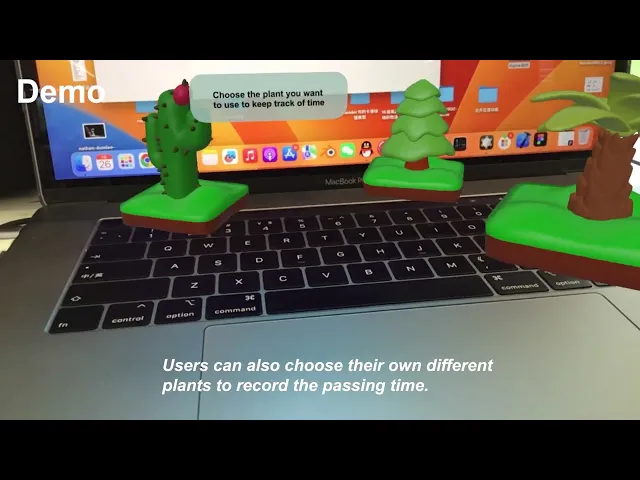
The user opens the AR experience and places a virtual plant into their physical environment. Over time, the plant grows as a visual marker of lived moments. This slow transformation invites reflection, helping users notice time not as something lost, but as something unfolding.
The user opens the AR experience and places a virtual plant into their physical environment. Over time, the plant grows as a visual marker of lived moments. This slow transformation invites reflection, helping users notice time not as something lost, but as something unfolding.

Outcome